
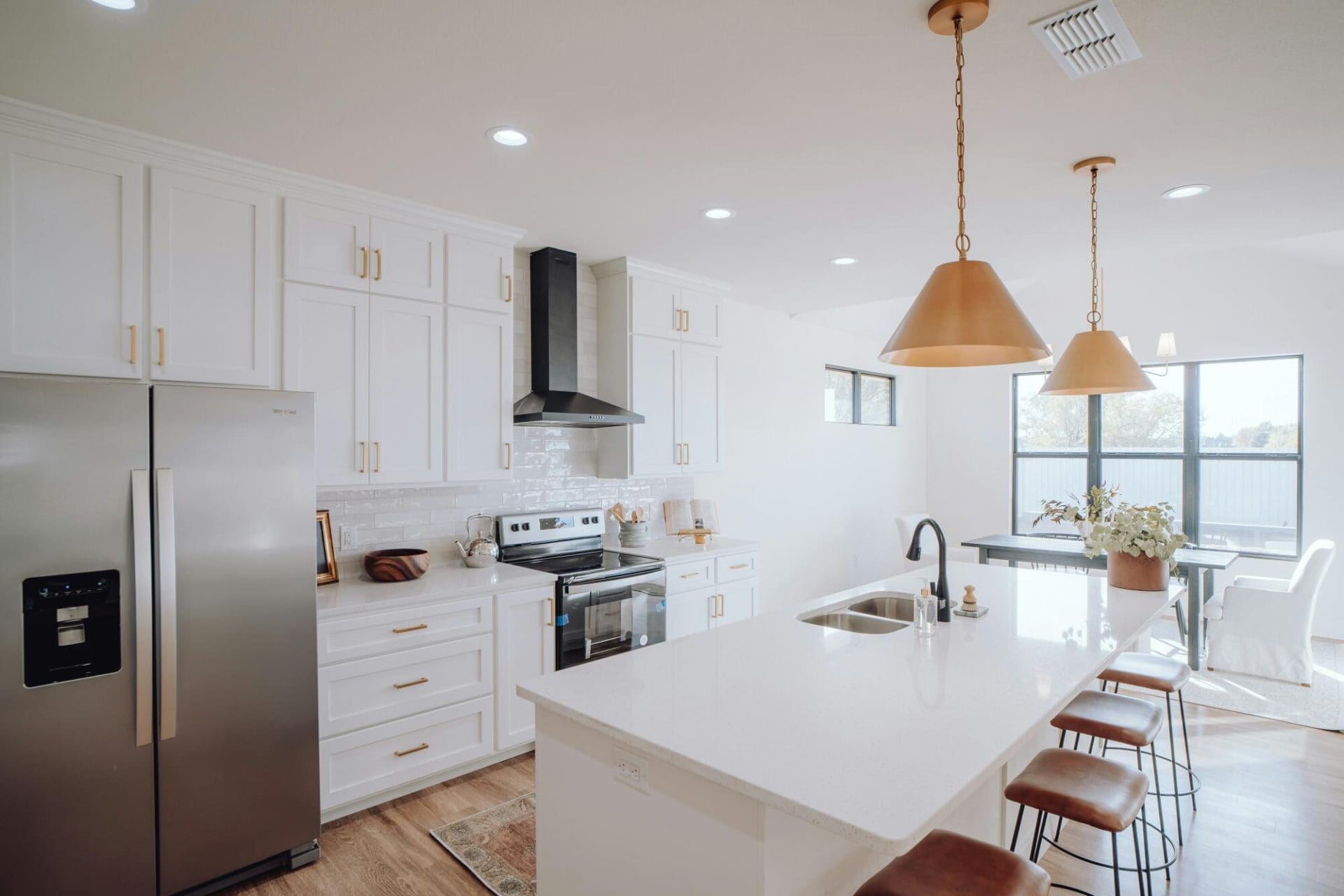
A standard kitchen remodel typically takes between 2 and 6 months. The actual timeline would depend on scope, materials, and planning.
“How long will my kitchen be unusable?” It’s a common homeowner question, particularly since kitchen remodeling remains one of the most popular home improvement projects in the US. A kitchen upgrade can improve functionality, modernize outdated aesthetics, and increase home value.
However, despite these benefits, it can be challenging to have limited or no access to such an important space in your home, particularly during extended renovations. How long does a kitchen remodel take? The timeline can vary depending on project size and complexity. Understanding the implications can help you plan effectively before starting and manage lifestyle disruptions during the project.
How Long Does a Kitchen Remodel Take: Average Timeline
How long does a kitchen remodel take? Knowing this is critical, as it can involve a prolonged, disruptive renovation that affects your daily living arrangements and budget.
Experts estimate the average kitchen remodeling time is typically between 6 and 12 weeks, while major renovations can take 3-5 months. Your kitchen renovation timeline will depend on the magnitude of your project, with average timelines as follows:
- Minor Updates: 1-4 weeks (cabinet refacing, paint, fixtures, and simple cosmetic changes)
- Moderate Remodels: 6-12 weeks (new cabinets, countertops, flooring, and appliance replacement)
- Full Renovations: 6-9 months (layout changes, wall removal, electrical and plumbing updates, and custom cabinetry)
Construction time is the on-site renovation period, including demolition, framing, and installation, which often takes weeks for standard projects. The full renovation timeline encompasses this as well as off-site preparation, such as planning, design, permitting, and material delivery, and can take several months or longer. The more structural and custom the work, the longer the project tends to take.
Main Factors That Affect the Schedule
Understanding the factors that affect a kitchen redesign schedule can help you manage your budget and reduce disruptions. Some of the main ones include:
- Scope of Work: especially when walls, plumbing, or electrical systems are being changed
- Material Lead Times: for custom cabinets, countertops, and appliances
- Administrative Prerequisites: permits, inspections, and approvals
- Hidden Issues: that appear after demolition, such as water damage or outdated wiring
Contractor availability and coordination of trades are also essential, as if one falls behind, it delays the entire schedule.
Kitchen Remodel Phases Explained
The kitchen makeover process includes several phases. These chronological stages include:
Design and Planning
This occurs before construction and includes budgeting, layout planning, and the selection of finishes. Ordering materials during this phase is critical, as custom items could take several weeks to months to arrive. In Texas, you will need a permit if you are:
- Altering structural elements
- Removing plumbing lines
- Rewiring electricity
- Modifying ventilation systems
Ensure you obtain all the necessary permits during this stage.
Demolition and Preparation
Preparing the space involves tearing down the existing kitchen, removing old countertops, cabinets, and appliances. Major renovations may involve several structural changes, such as framing new walls, cutting out new windows or doors, and managing any load-bearing modifications.
Construction and Installation
This stage entails the physical transformation of your space. It can be highly disruptive and requires the careful sequencing of:
- Framing
- Electrical
- Plumbing
- Cabinets
- Counters
- Flooring
Finishing Touches
The finishing touches allow you to personalize your new kitchen design. It includes painting walls and installing your appliances, backsplash, fixtures, and molding.
Final Inspection and Cleanup
Once your contractor has completed the upgrade, they will do a final walkthrough with you to ensure appliances and plumbing are functioning as they should. It also allows you to confirm that the work matches your contract and the space is clean.
How to Avoid Delays
Most US adults consider the kitchen the heart of the home, with the average American spending 1,000 hours annually in this treasured space. With so much time spent in this part of your home, you will want your kitchen upgrade duration to be as short as possible.
You can avoid delays by making decisions early so you do not have to wait for approvals or material changes. Order long-lead items before demolition begins and include a buffer in your schedule for permit delays or surprise issues.
Most importantly, work with an experienced contractor who consistently communicates with you and their team to reduce coordination problems.
What Homeowners Can Expect During the Remodel
Knowing what to expect during the remodel can help make the disruption more manageable. Prepare your family for a temporary kitchen setup and:
- Limited cooking
- Noise and dust
- Possible delays if custom items or inspections run behind schedule
Effective planning can be the key to reducing delays, cost overruns, and unnecessary stress.
Frequently Asked Questions
Should I Move Out During a Kitchen Remodel?
Whether you need to move out during a kitchen remodel will depend on the scope of the project and how it may affect your lifestyle. Leaving your home is usually recommended if you are undertaking a full renovation that involves major demolition, structural changes, and extended utility service interruptions. Moving out during this type of project allows you to avoid excessive noise, dust, and safety hazards.
What Are the Most Common Kitchen Renovation Regrets?
The most common kitchen renovation regrets usually include:
- Limited electrical outlets
- Poorly placed or insufficient lighting
- Hard to clean surfaces
- Lack of specialized storage
These project blunders often occur when homeowners prioritize aesthetics over functionality.
What Items Do Kitchen Designers Say Don’t Belong in a Kitchen?
Items that do not belong in a kitchen, according to kitchen designers, include paper, temporary decorative trends, and anything that creates clutter, such as mail and bills, faux plants, or single-purpose appliances. A well-designed kitchen should prioritize:
- Function
- An easy-to-clean layout
- Dedicated storage
This ensures surfaces are kept clear for food preparation rather than becoming a location for miscellaneous items.
Achieving a Smooth Kitchen Transformation
How long does a kitchen remodel take? Timelines depend on the project scope – small updates may take days, moderate remodels, weeks, and the duration of full renovations is usually months or longer. Effective planning can make the remodel more manageable.
VanRossun Contracting can help you achieve a smooth kitchen transformation, regardless of project size. For over 30 years, we have successfully created dream kitchens for Austin homeowners by building trust and providing quality work. Let us do the same for you.
Get a free estimate to start making your new kitchen a reality.